
 Resources

 Written By: Summer Clarkson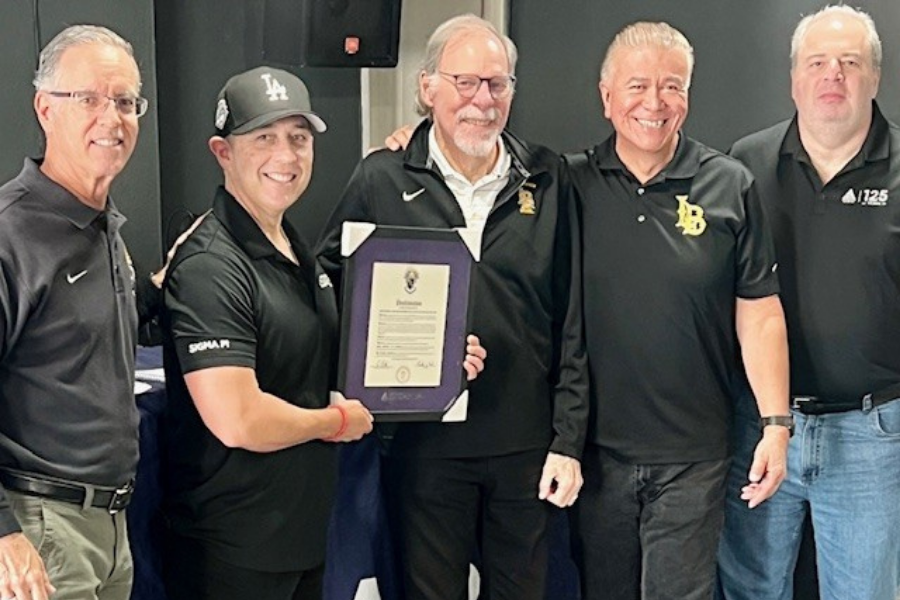
SoCal Sigma Pi Alumni Invest in the Future of Undergraduate Leadership
Rachel Stringer (Pennington & Company), contributing writer
For more than four decades, PGS Larry Rovira (Fullerton, CA ’80) has watched Sigma Pi evolve, and he remains convinced that its future depends on the intentional development of its undergraduate leaders. Since 1980, Rovira’s service has included chapter, Foundation, and national leadership, including 12 years on the Grand Council and time as Grand Sage. “Sigma Pi has been a constant presence throughout my life, and I remain deeply committed to its future,” he said.
Learning from Experience
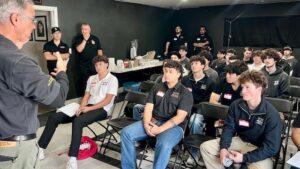
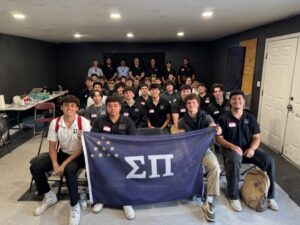
That commitment was evident in a recent regional leadership training held in Southern California for collegiate officers. Designed as an intensive, pre-semester investment in officer development, the program brought together student leaders and alumni advisors from five chapters – representing, as Rovira described, “two centuries of fraternal knowledge working together for excellence and purpose.”
The event was not a one-man effort. A collaborative team of alumni advisors, including Brian Devot (Cal State Long Beach ’95), Peter Georgantopoulos (UC Irvine ‘95), Nik Chillar (UC Irvine ‘95), Bryant Plasencia (CSUDH ’13), Emanuel Enciso (CSUDH ’20), and Brad Reichard (UCLA ’88), contributed their experience and professionalism to shape a day grounded in both principle and practice. “Each brought a unique experience and professionalism to the workshop,” Rovira shared. He focused on logistical details and moderated the ongoing conversation.
Translating Purpose into Practical Leadership
At its core, the training focused on the “Find Your Purpose” framework and how undergraduate officers can translate that philosophy into effective chapter leadership. The day began with a session led by Gary Sanchez of the WHY Institute, where participants reviewed their personal WHY results. Sigma Pi Educational Foundation member Chillar sponsored the training to ensure both undergraduate and alumni leaders could participate. “The primary purpose was to empower undergraduates to guide their chapters more effectively by understanding how to communicate who they are and what they stand for,” Rovira said. The framework moved from personal purpose to chapter storytelling, then to practical execution, including social media planning and campus engagement strategies.
UCLA advisor Reichard led a session on social media planning and the Fraternity’s branding guidelines. At the same time, SPU board director Nelson Farris (Cal State Long Beach ’63) shared insights drawn from 52 years of leadership at Nike. His message reinforced a central theme of the day: authentic stories build strong organizations.
 Developing Strategic Officers
“We spent a lot of time on self-awareness, communication, and judgment,” Rovira noted. “These aren’t abstract skills. They’re the difference between leaders who earn trust and chapters that struggle to be understood.” Participants reviewed each chapter’s social media presence in detail, identifying strengths and opportunities for improvement. Eta-Iota Chapter at California State University, Dominguez Hills stood out as a leader in branding.
Why Now?
The timing was intentional. Held before the semester or quarter began, the conference allowed chapters to align goals early, review officer roles and reporting expectations, and discuss financial oversight and expansion possibilities. That early collaboration created space for honest self-assessment and strategic planning rather than reactive problem-solving.
In today’s campus environment, recruitment, retention, and public perception hinge on how effectively an organization defines and communicates its identity. “Campus life is competitive, whether we like it or not, and perception matters more than it used to,” Rovira said. “This training gives undergraduates real guidance instead of leaving them to figure it out on their own.”
A Worthwhile Investment
Dedicating the time, energy, and financial resources to host the program required meaningful commitment. Alumni volunteers invested significant preparation, and support from the Sigma Pi Educational Foundation helped ensure the experience was substantive rather than symbolic. For Rovira, the return on that investment is clear. “If we’re serious about where Sigma Pi is headed, putting time and effort into our leaders now is the right call.”
Measurable Results and Local Impact
The outcomes were visible almost immediately. “There was a shift in how participants thought about storytelling and leadership,” Rovira said. “They began focusing less on tactics and more on purpose.” That change has the potential to provide clearer messaging, stronger recruitment conversations, and greater ownership among officers.
Local impact is already unfolding. Advisors Plasencia and Enciso at California State University Dominguez Hills are working with chapters to refine social media posts by improving hashtags, captions, and branding consistency. “That allows chapter leaders to lean on one another for sharing best practices since they get to know one another more deeply socially,” Rovira said.
 Honoring Lifetime Leadership
During the event, Nelson Farris was presented with the Fraternity’s Proclamation Award, recognizing his decades of professional leadership, philanthropic commitment, and longstanding support of regional educational programs. Farris was quick to share the credit for this recognition with the mentors and supporters who have shaped him. “This award represents hundreds of people who helped me along the way. It’s never a one-man band. It’s always a team,” he said. He counts his Sigma Pi friendships, which have now lasted more than 50 years, as lifelong relationships. “When I left home, I never went back,” he shared. “The fraternity became my new family.”
A Brighter Future
Ultimately, this program reflects a broader strategic priority to intentionally invest in leadership development and brand clarity at the undergraduate level. “Programs like this reflect a longer-term commitment to strengthening chapters by investing in their people,” Rovira said. For Sigma Pi in Southern California, that investment is strengthening collaboration, sharpening identity, and preparing officers to lead with clarity and purpose. For Rovira, it represents the most practical way to secure the Fraternity’s future – one trained leader at a time.